
Autumn Nail Ideas in Action: Lessons Learned
Autumn Nail Ideas in Action: Lessons Learned
Autumn nail ideas took center stage in our recent salon case study, where seasonal color palettes, layered textures, and wearable accents were tested under real-world conditions. In the first weeks, we tracked client preferences, durability, and the operational strain of more intricate designs. This report documents those findings and offers reproducible practices for stylists and studio managers.
Real-world Challenges with Autumn Nail Ideas
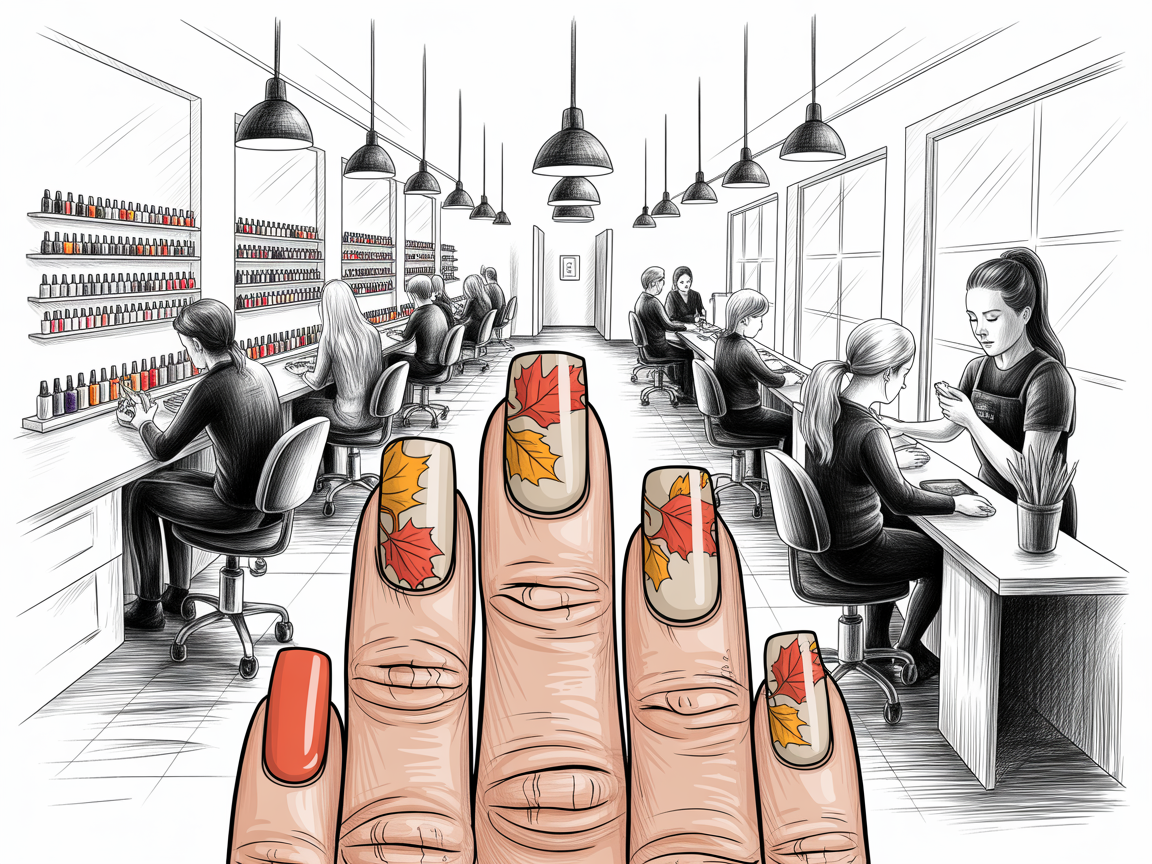
Seasonal trends bring opportunity, but autumn nail ideas introduced several practical hurdles. In busy afternoons we observed longer session times as technicians layered glitters, foils, and matte topcoats to achieve the warm, textured looks clients requested. Small setbacks included:
- Increased chipping when transitioning from glossy to matte finishes.
- Color inconsistencies between swatches and final cure under LED lights.
- Time overruns when adding hand-painted leaves and micro-details.
Each issue affected client satisfaction and throughput. We compared our approach to standard nail-art references and broader galleries like our nail art collection to identify where processes diverged: https://naildesignerai.com/nail-designs/nail-art-designs. This cross-reference helped isolate technique gaps and product mismatches.
A common pattern emerged: stylists who relied on ad-hoc mixing and freehand detail saw higher rework. Client expectations were shaped by social media images that often hid preparation steps and curing challenges. This mismatch required us to be transparent about the process while still preserving creative freedom.
Solutions Implemented for Autumn Nail Ideas
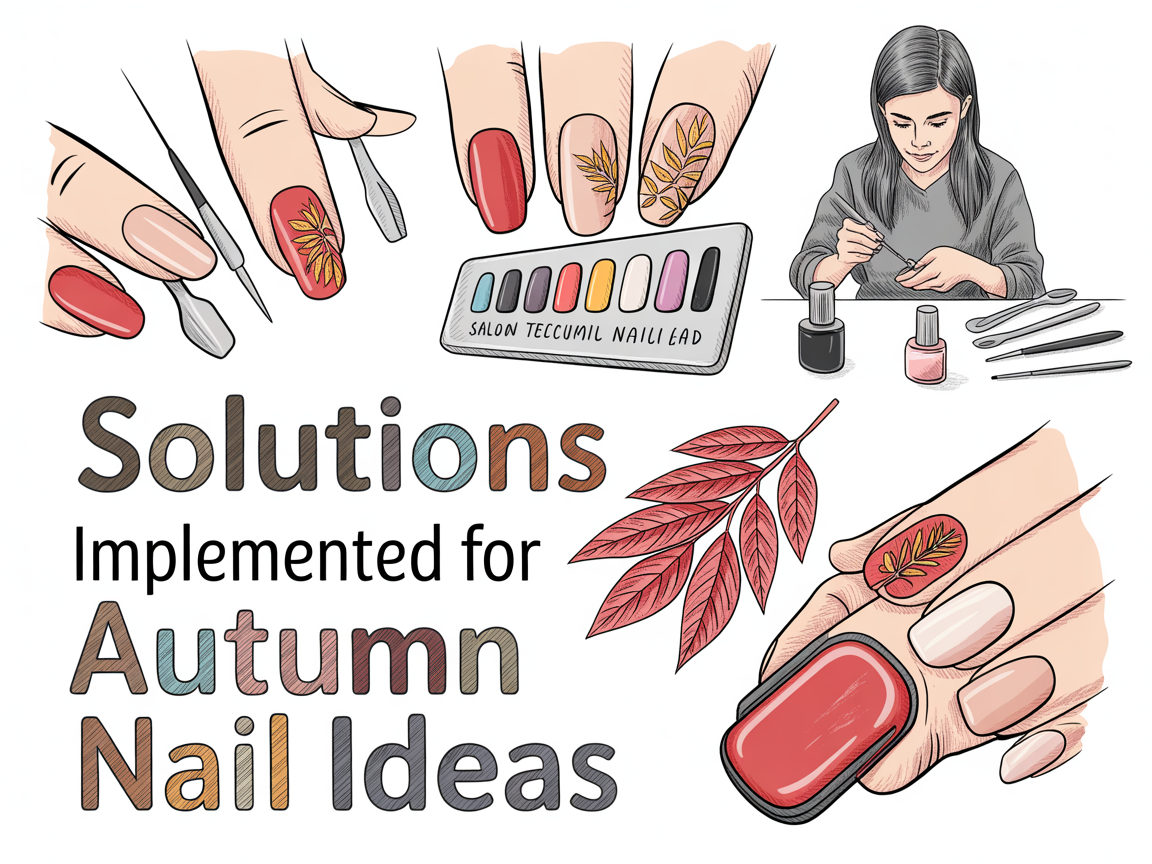
To address the challenges, we implemented targeted fixes. The solutions were practical, low-cost, and focused on repeatability so that teams could scale them across appointments.
Key changes:
- Standardized layering protocols: base, two-tone gradient, accent, and finish, with set cure times per layer.
- Swatch checks under salon LED and natural light before finalizing the palette.
- Dedicated micro-detail templates and fine-liner brushes to reduce freehand time.
- Swap to hybrid topcoats that allow a true matte finish without sacrificing adhesion.
We also updated the booking notes to include expected session length for complex autumn nail ideas so clients received accurate scheduling. A sample of seasonal concept references, including wedding and seasonal themes, supported client consultations: https://naildesignerai.com/ru/nail-ideas/wedding-nail-ideas.
Technician training emphasized small, repeatable moves. For example, a two-stroke leaf technique reduced detail time by 40% without losing fidelity. These micro-optimizations compound: when two or three technicians adopt them, the salon's capacity for autumn nail ideas increases meaningfully.
Materials and Product Choices
Choosing the right materials reduced failure rates. We tested four topcoats and two hybrid bases. The hybrid base that paired with a flexible matte topcoat had the best adhesion after three days of normal wear. Practical product notes:
- Use a flexible base for clients who type frequently.
- Reserve foil accents for longer nail lengths to avoid premature peeling.
- Pre-mixed transitional shades standardize gradients and limit color drift.
Suppliers that provide consistent pigment batches were preferred over small indie mixes that varied from lot to lot. Inventory management for autumn palettes ensured the salon didn't run out of a signature shade mid-week.
Execution: Process and Workflow
Process clarity matters as much as the design itself. We refined the appointment workflow to embed quality checks without adding unnecessary time.
- Pre-appointment: clients received a visual selection guide and a short form to indicate preferred textures (gloss, matte, metallic).
- Check-in: technician confirms the palette and flags any potential time adjustments.
- Mid-session: a swatch verification step ensured color accuracy before detailing.
- Finish: a durability check and a short aftercare note tailored to autumn nail ideas (protecting matte finishes and avoiding oil-based removers immediately after service).
We trained reception staff to add a simple note to bookings when clients selected autumn nail ideas so technicians arrived pre-briefed. That small change reduced confusion and improved first-time-right rates.
In practice, we timed each appointment stage. When the gradient step was isolated and practiced independently, speed improved. We introduced a short checklist on the workstation to remind technicians of cure times and swatch checks. This small visual cue prevented skipped steps and saved time across the day.
Results and Metrics of Autumn Nail Campaigns
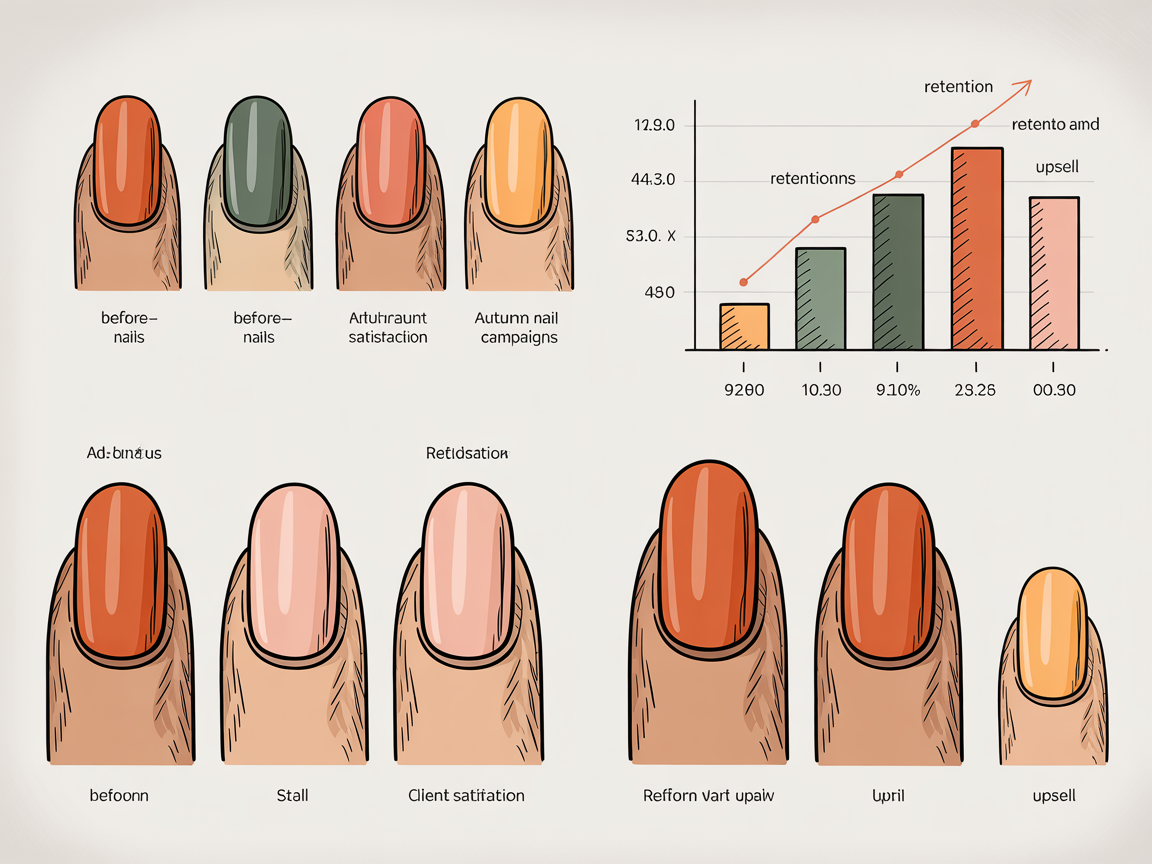
After six weeks of implementation, we measured these outcomes:
- Session time: average session length for autumn nail ideas fell from 85 to 70 minutes (17% improvement).
- First-time success: the rate of rework requests dropped from 14% to 5%.
- Client satisfaction: post-visit survey scores improved by 22 points on a 100-point scale.
- Revenue impact: upsell of seasonal add-ons (foil accents, hand-painted motifs) increased average ticket size by 9%.
Anecdotally, clients appreciated the clarity of the process and the preview of their chosen look. The visual library we curated—featuring before-and-after comparisons—became a reliable tool during consultations and influenced more confident choices.
Breakdowns by segment showed that clients choosing subtle autumn nail ideas (single accent or muted gradient) had the highest retention, while heavily detailed, hand-painted sets had the highest satisfaction but required more time. This informed our pricing tiers and booking recommendations.
Pricing and Packaging
We introduced three tiers for autumn nail ideas:
- Classic Autumn: single-tone and light accent — recommended time 60–70 minutes.
- Signature Autumn: gradients and small hand-painted elements — recommended time 75–90 minutes.
- Premium Autumn: full hand-painted scenes or multiple embellishments — recommended time 100+ minutes.
This tiering helped set expectations during booking and improved conversion during consultations. When clients saw clear pricing mapped to design complexity, cancellations decreased and add-on uptake increased.
Lessons Learned and Recommendations
This case study yielded several durable lessons for teams implementing autumn nail ideas at scale.
-
Process first, creativity second. Autumn nail ideas can be intricate; make them repeatable with clear steps.
-
Invest in visual consistency. A curated swatch set and consistent lighting reduce surprises.
-
Make small training investments. Short, focused sessions yield outsized improvements in speed and quality.
-
Book realistically. When clients choose intricate autumn nail ideas, inform them about the time commitment and price points.
-
Monitor metrics that matter. Track session length, rework rate, and add-on conversion to understand real impact.
We linked these recommendations to practical examples and portfolio items in our explore gallery for inspiration and technique references: https://naildesignerai.com/explore/cm5i03cc5014upb1e8p3j06dz.
Quick Troubleshooting Guide
- If matte topcoat shows micro-bubbles: increase cure time slightly and apply thinner coats.
- If gradient looks banded: use a small sponge with light, repeated taps rather than a heavy single drag.
- If foil lifts: ensure the foil adhesive layer is fully cured before applying the final topcoat.
These tips became part of our technician quick-reference sheets and were cited as the reason rework rates fell.
Conclusion: Autumn Nail Ideas in Practice
The autumn nail ideas we tested showed that thoughtful process design and modest investments in training and tooling produce strong returns. By standardizing steps, validating colors before detailing, and setting clear expectations with clients, salons achieved better outcomes, reduced rework, and increased average ticket value. These lessons demonstrate how seasonal trends can be turned into repeatable, high-quality services that scale across teams.
For stylists and salon managers who want to try these approaches, consider documenting your process and inviting technicians to a short shared review. If you’re new here, you can create an account to save favorites and access templates at /auth/register.